
 Motomaxsfr



Produkt suchen
Wie oft die Motorradkette zu schmieren ist
Das Tanken der Kette alle 300 bis 600 Meilen ist der goldene Standard der Industrie, oder einfach zu beachten, dass alle zwei Tankfüllungen nachgetankt werden müssen. Diese Häufigkeit muss flexibel an Ihre tatsächliche Fahrumgebung angepasst werden: Wenn Sie gerade eine Ladung im Regen beendet haben, über salzgetränkte Winterstraßen gelaufen sind oder gerade von staubigen Feldern kommen, müssen Sie unabhängig davon, wie viel der Kilometerzähler gelaufen ist, den Kraftstoff sofort nach dem Anhalten des Motorrads nachfüllen. Damit soll verhindert werden, dass Feuchtigkeit Streusalz und Schmutz im O-Ring oder X-Ring festsetzt, was schnell zu innerer Korrosion und den lästigen “geknickten Gliedern” führen würde. Bei Spielern mit hoher Laufleistung besteht der Zweck des häufigen Schmierens darin, einen Schutzfilm auf die Rollen und Glieder aufzutragen, um die durch die Reibung erzeugte Wärme zu verringern, da Ihre Zahnschiene sonst schnell kahl wird. Ölen Sie Ihre Kette, bevor sie nach einer langen Fahrt abkühlt. Kettenwachs oder -schmiermittel kann in die Bolzen eindringen, solange sie heiß ist. So bleibt Ihr Antriebsstrang leise, effizient und sicher für die nächste Etappe Ihrer Fahrt.

Tiefenanalyse von 300-600 Meilen
Der Grund, warum ich 300-600 Meilen als Basislinie festsetze, liegt hauptsächlich an den physikalischen Grenzen moderner Schmiermittel. Diese geringe Laufleistung entspricht etwa einer oder zwei Wochen Fahrt. Ich empfehle oft, dass Leute auf langen Reisen einfach auf diesen Knotenpunkt “alle zwei Tankfüllungen” starren, was viel einfacher ist als auf den Kilometerzähler zu starren. Bei diesem Kilometerstand ist die ursprüngliche Schmierölschicht unter der wiederholten Belastung durch Fliehkraft und hohe Temperaturen sehr dünn geworden. Die Rollen und Kettenglieder sind zu diesem Zeitpunkt im Grunde genommen Metall gegen Metall, was am ehesten zu Problemen führen kann.
Warum die Umwelt wichtiger ist als der Kilometerstand
Regen und Feuchtigkeit: Wasser ist im Wesentlichen ein Lösungsmittel, und selbst das beste Kettenwachs kann der ständigen Wäsche durch starken Regen nicht standhalten. Sobald Sie mit dem Fahren im Regen fertig sind, ist diese sogenannte “Schutzschicht” im Grunde nutzlos.
Streusalz und Pendlerverkehr im Winter: Salz ist extrem korrosiv. Wenn Salz im O-Ring oder X-Ring stecken bleibt, altert die Gummidichtung schnell. Wenn die Dichtung versagt und das Fett im Inneren des Bolzens verloren geht, lässt sich die Kette nicht mehr drehen oder verursacht sogar Leistungsverluste und heftige Vibrationen - “tote Gelenke”.
Staub und Schmutz im Gelände: An trockenen und staubigen Orten wird das Schmieröl Sand und Staub wie ein Magnet anziehen. Dadurch entsteht eine Art abrasive Paste, die die Scheiben und Walzen viel schneller abnutzt als das Fahren auf der Straße. In diesem Fall ist “erst waschen, dann auftragen” viel effektiver als einfaches Rehydrieren.
Serie 520VX2 Kette
Fahrradszenarien: Straße, Autobahn, Motorradtouren, Stadtfahrten.
Die Rolle des Dichtungsrings und der inneren Korrosion
Die heutigen Ketten sind industrielle Meisterwerke mit eingebauten O- oder X-Ringen, die das Fett in den Bolzen versiegeln. Die Hauptaufgabe der externen Schmierung besteht darin, diese Gummiringe feucht und elastisch zu halten. Wird die Dichtung durch Schmutz oder Salzrisse beschädigt, dringt Wasserdampf in das Innere des Kettenglieds ein. Dies führt zu innerer Korrosion, die bei Fahrern mit hoher Kilometerleistung die Hauptursache für vorzeitigen Kettenausfall ist. Häufiges Tanken kann sicherstellen, dass diese Dichtungen den gesamten Lebenszyklus des Getriebesystems abdecken.
Verlängern der Lebensdauer des Getriebes
Wenn die Kette trocken läuft, erzeugt die Reibung zwischen den Rollen und den Zähnen der Zahnscheibe eine erstaunlich hohe Temperatur, wodurch sich das Metall durch die Hitze ausdehnt und die Verschleißrate exponentiell ansteigt. Indem Sie einen stabilen Schmierölfilm aufrechterhalten, steuern Sie im Wesentlichen die Betriebstemperatur des gesamten Antriebsstrangs. Mein Rat an Fahrer, die lange Strecken zurücklegen, lautet also niemals nur “Öl”, sondern “Abkühlung durch physische Isolierung”.
Die Wissenschaft der “Heißen Kette”
Viele Menschen sind daran gewöhnt, vor dem Losfahren Öl auf die kalte Kette zu sprühen, was eigentlich wenig Wirkung hat. Wenn die Kette nach dem Fahren noch warm ist, dehnt sich der O-Ring zu diesem Zeitpunkt leicht aus, und das Schmiermittel wird flüssiger, nachdem es auf das warme Metall trifft. Dadurch kann sich das Öl regelrecht in die Ritzen und tiefsten Stellen der Rollen und Glieder “saugen”. Nachdem das Lösungsmittel verdunstet und das Schmiermittel vollständig “aufgehängt” ist, bildet es eine extrem starke Haftschicht, die sich bei der nächsten Fahrt nicht über die ganze Radnabe verteilt. Dies ist der Trick, um eine ruhige und stabile Übertragung zu gewährleisten.
Die vorl: Wie man Rost von einer Motorradkette entferntDie nächste: Wann sollten Sie die Motorradkette ersetzen?
Verwandte Empfehlungen
-
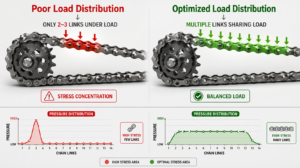
Moto Chain Leitfaden: Lastverteilung & Kettentypen
184Moto Chain Guide erklärt die Lastverteilung, 520/525/530 Kettentypen und die Haltbarkeit von versiegelten Ketten.
Details anzeigen -

Ausrichten der Motorradkette
306Bei der Kalibrierung der Motorradkette geht es vor allem darum, sicherzustellen, dass das hintere und das vordere Ritzel absolut parallel sind. Wenn die beiden nicht in der gleichen Linie sind, wird die Kette und Ritzel abnormal abgenutzt werden, und sogar direkt auf Ihre Fahrt...
Details anzeigen -

Wann ist die Motorradkette zu ersetzen?
539Lernen Sie die wichtigsten Anzeichen für Motorradkettenverschleiß kennen, vom Zugtest bis zu hängenden Kettenrädern. Wissen Sie genau, wann Sie Ihre Kette austauschen müssen.
Details anzeigen -

Bremssattelschloss für Motorräder
156Expertenleitfaden für Händler: Quelle langlebig Motorrad Bremssattel Schlösser mit hoher Kompatibilität und OEM / ODM-Unterstützung.
Details anzeigen
